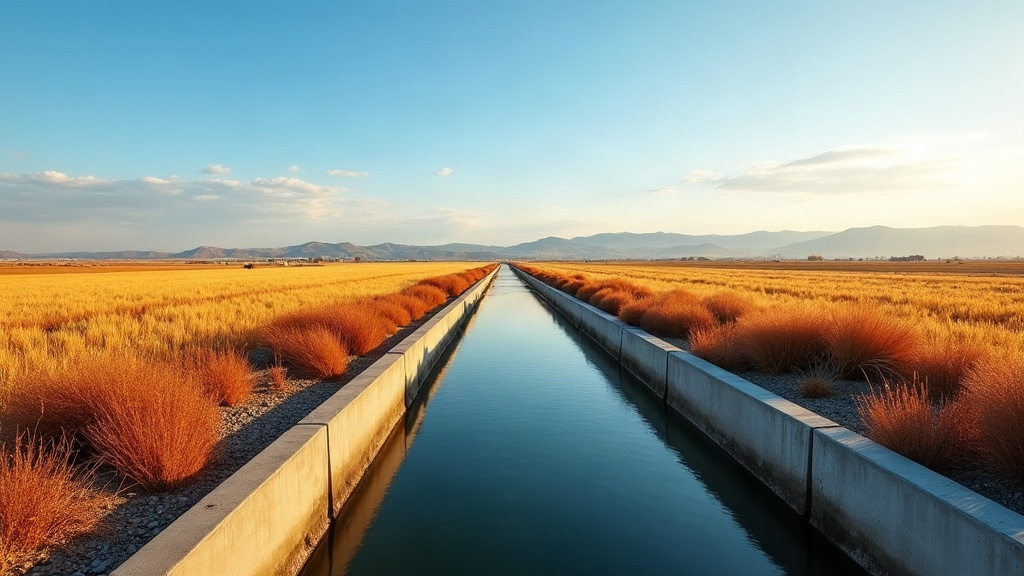
The notice showed up in your inbox, or maybe your neighbor mentioned it at the mailbox. Either way, the message is the same: irrigation water cuts off September 28. For most Treasure Valley homeowners, that means coiling the hoses, winterizing the sprinkler valves, and calling the yard season done. It is a familiar ritual in Boise, Meridian, Nampa, and every community served by the four major irrigation districts shutting down this weekend.
What most people do is walk back inside and move on. Makes sense. The yard is handled. The irrigation shutoff is a yard problem, and the yard problem is solved.
Here is what almost nobody thinks about: when the irrigation water stops, your home's water supply quietly changes. Not dramatically, not overnight, but in a way that builds all fall and winter, showing up as scale on your water heater, spots on your dishes, dry skin by December, and higher energy bills by January. This is the part of fall home water prep in Boise, Idaho that rarely comes up until something breaks. It does not have to catch you off guard this year.
What "Water Off" Really Means for Your Home, Not Just Your Yard
The Boise Project, the Nampa and Meridian Irrigation District, Pioneer Irrigation District, and New York Irrigation District all distribute surface water from reservoirs and canals. During the growing season, that surface water does two jobs: it waters fields and landscaping, and it slowly percolates down through the soil, recharging the groundwater table beneath the valley. That recharge effect matters more than most homeowners realize.
When the districts shut off on September 28, that percolation stops. Your yard no longer gets surface water. But your home still needs water for everything: showers, dishes, laundry, cooking. That water now comes entirely from the municipal system or your private well, both of which draw from the same underlying groundwater. And that groundwater, no longer being diluted and replenished by surface water moving through the soil, slowly becomes more concentrated with the minerals it has always carried. More calcium. More magnesium. In plain terms: harder water, starting now, worsening through winter.
Why Treasure Valley Water Gets Harder Every Fall
The Treasure Valley sits over the Western Snake Plain Aquifer, one of the largest groundwater systems in the Pacific Northwest. It is a productive aquifer, but it naturally carries high dissolved mineral loads, particularly calcium carbonate and magnesium. During irrigation season, the surface water moving down through the soil acts as a diluting agent. The aquifer stays relatively balanced. When that input stops, the mineral concentration in the groundwater that remains climbs.
Boise municipal water typically tests between 10 and 15 grains per gallon (gpg) during summer. Meridian, drawing from a shallower portion of the aquifer, often reads 12 to 17 gpg in summer, and can spike higher in late fall and early winter as seasonal recharge drops off. Those numbers put Treasure Valley squarely in the "very hard" category on any water quality scale. The hardness does not disappear after September. It rises.
The Idaho Department of Water Resources and the U.S. Geological Survey are expanding their groundwater monitoring to 400 wells across the Treasure Valley starting September 28, the same day irrigation shuts off. That survey is designed to track exactly this kind of seasonal fluctuation. When state agencies are adding wells to watch what happens to your groundwater this fall, it is worth paying attention yourself.
What Harder Fall Water Does Inside Your Home
Mineral-heavy water does not just feel different. It leaves evidence everywhere, and the damage compounds over months.
Your water heater takes the first hit. Scale deposits form on heating elements and the tank lining, and scale is an insulator. A quarter inch of calcium buildup forces your water heater to use roughly 25 percent more energy to reach the same temperature. By February, that inefficiency shows up on your gas or electric bill. Over a few winters, it shortens the appliance's lifespan significantly. A water heater that should last 12 years starts failing at 8.
Your pipes, dishwasher, and coffee maker accumulate the same kind of buildup at a slower pace. The white crust forming around your faucet aerators and showerheads is the most visible symptom. The spots multiplying on your dishes even after a full dishwasher cycle are another. If you have been noticing more of both since September, the seasonal shift is already underway.
Your skin and hair notice it too, especially as fall humidity drops. Harder water leaves a mineral film that strips natural oils. The combination of drier air and harder water in October and November is the reason so many Boise and Meridian households reach for more lotion and start fighting static in their hair. It is not just the season. It is the water. For a deeper look at how hard water shows up in daily life here, our complete guide to hard water in Boise covers the full picture.
What to Do Before Winter Locks In the Damage
Fall home water prep in Boise, Idaho does not have to be complicated. There are four things worth doing right now, before the heating season hits full swing.
Get a free water test. This is the starting point. You cannot make good decisions about your water without knowing what is actually in it. The Water Softener Boise team at True Water Idaho offers free in-home water tests. A quick call to (208) 968-2771 gets you on the schedule. The test takes about 30 minutes and gives you a clear read on hardness, minerals, and any other seasonal changes in your supply. No pressure, no obligation.
Check your softener if you already have one. Salt levels drop faster than most people expect in fall. Pull the lid on your brine tank and check the salt. If it is below the halfway mark, add a bag now. Also confirm your regeneration frequency is set for higher fall hardness, not your summer baseline. Many systems are set and forgotten, which means they underperform exactly when demand rises.
Watch for the early warning signs. White buildup appearing or worsening around faucets, more water spots on dishes coming out of the dishwasher, skin dryness that feels more pronounced than usual for this time of year. Any of these are the seasonal shift showing up. Do not wait until you notice the water heater struggling.
Schedule softener installation before heating season peaks. If your water test comes back high and you do not have a softener, fall is the right time to act. A whole-home water softener installed before November means your water heater, pipes, and appliances go through winter protected rather than accumulating scale. Installed cost typically runs $2,500 to $4,500 depending on home size and system type. For a sense of what the installation process looks like and what to prepare for, our winter prep guide walks through the steps.
Test Your Water Before Winter
A free water test from Water Softener Boise takes 30 minutes and tells you exactly what your fall water is carrying. No pressure, no obligation.
Frequently Asked Questions
When does the Nampa and Meridian Irrigation District shut off water in 2026?
The Nampa and Meridian Irrigation District, along with the Boise Project, Pioneer Irrigation District, and New York Irrigation District, are all scheduled to shut off water delivery on September 28, 2026. Once shutoff occurs, outdoor irrigation from canal and surface water sources ends for the season.
Does my drinking water get harder when irrigation season ends in Treasure Valley?
Yes, gradually. During irrigation season, surface water percolating through the soil dilutes the groundwater mineral load. When irrigation stops, that dilution effect drops off and groundwater mineral concentration, primarily calcium and magnesium, rises. Boise typically runs 10 to 15 gpg and Meridian 12 to 17 gpg in summer; both can climb higher by late fall.
What are the early signs that fall hard water is affecting my home?
Look for white scale buildup forming or worsening around faucets and showerheads, more water spots on dishes coming out of the dishwasher, and skin or hair that feels noticeably drier than usual. If your water heater is running longer to reach temperature, that can also indicate scale buildup on the heating element from harder water.
Is it worth installing a water softener before winter in Boise?
For most Treasure Valley homes with hardness above 10 gpg, yes. Scale buildup accelerates during the fall and winter months when hardness peaks. Installing before the heating season means your water heater, pipes, and appliances are protected through the highest-demand period. Installed cost typically runs $2,500 to $4,500. A free water test from True Water Idaho at (208) 968-2771 gives you the data to decide.